Listen up, my brother.
All your life you have been told to “man up”—carry the weight of the family in the absence of a father, to provide, to protect, to never let your guard down. In Trinidad and Tobago, that message echoes in the rum shop, on the football field, in the lime, and even in the workplace. Those same words that were meant to make you strong have also kept you silent. A heavy, unbearable silence that is weighing you down.
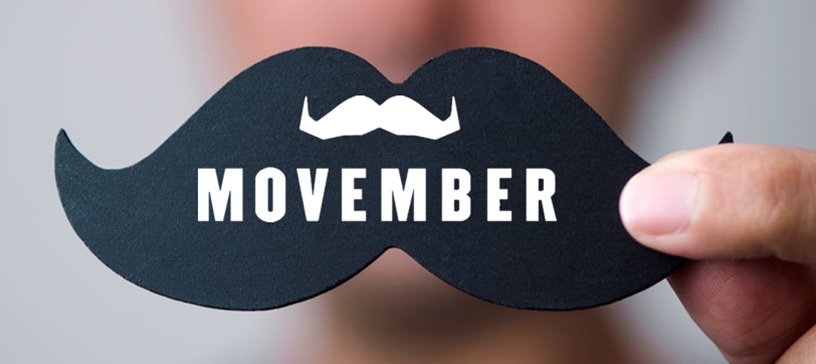
‘Movember’ began in Australia in 2003 as a playful act—men growing moustaches in November—but its purpose runs far deeper. It’s about changing the face of men’s health worldwide: tackling prostate cancer, testicular cancer, mental health, and suicide prevention.
The moustache is just the spark, the visible symbol that starts conversations men often avoid. When someone asks, “Why the moustache?” it opens the door to talk about what really matters: your health, your struggles, your life.
It’s about unmasking the mask you’ve worn for years that says ‘I’m fine’ when inside you’re drowning. It’s about saying out loud what you’ve been carrying alone: despair, hopelessness, nights when you wonder if it’s worth going on.
In T&T, too many men are slipping into despair, weighed down by expectations to be stoic, to never show weakness, to face unemployment, relationship breakdowns, or loneliness without saying a word.
Male suicide rates have been rising, and the silence around it—the conversations that are not held—is deafening.
A brother’s voice
One young man shared with me his struggle. These are his own words.
“I have been suffering from anxiety and depression for some time now. At first, I thought it was a medical problem and continuously raced to the hospital, only to hear that they found nothing wrong with me. I did not know my mental health was the issue. I began crying for no reason and had panic attacks. I never believed in depression and anxiety until facing it myself now. This is worse than any flu or sickness I have ever had, as it seems impossible to fight this demon inside my head.
“I have good days, but mostly bad, as I hope and pray for relief. There are times when I feel suicidal, where I can’t sleep at night and these heavy, dark thoughts possess my mind, and it’s hard to fight back. These times I cry and remind myself I have a wife to live for, and parents and family who try to help even though they are not sure of what to do. The crying is bad. I hide it from my family. I don’t want them to see me this weak. It’s a struggle every day which I have to fight, and a battle I think I am losing.”
Strength reimagined
This man’s struggle is not unique. His words echo the silent battles many of you fight daily. His words may be yours, too. Perhaps you’ve felt the same panic, the same sleepless nights, the same tears you hide from your family.
He thought it was a medical problem and kept going to the hospital. Many men do the same—seeking physical explanations because mental health feels alien or shameful.
You need to know that strength isn’t about how much you can hold in. Strength is about how much courage it takes to let go of the mask you put on and say, ‘I need help’ or say, ‘I’m human. I hurt. And I deserve to heal’.
This is not weakness, despite whatever you have been taught as a child. This taking off the mask of pain is bravery. The crying, panic attacks, sleepless nights, suicidal thoughts—these are not signs of failure, but signs of distress. By naming them openly, you give other men permission to recognise their own experiences without shame as this man has done.
I have found that many men often respond better to informal, peer-led spaces than to clinical settings. In the lime, the fellas around the table, the banter, the laughter—that’s more than just passing time—that’s connection. And connection saves lives.
When you open up to a friend, when you check in on a brother, you’re building a safety net. You’re reminding each other: we are in this together.
Son, husband, friend, nephew, brother, if you’re reading this and you feel the weight pressing down, know this: you are not alone. You don’t have to carry it all. Talk to someone. Reach out. Take off the mask.
Movember, the symbol of this month in November, is your reminder that your life matters, your voice matters, and your pain deserves to be heard.
Too many men feel they are losing this battle. But battles should not be fought alone.
One last thing: reaching out to men isn’t about convincing them to do therapy. It’s about meeting them where they already are—in the lime, on the field, in faith spaces—and reframing mental health as strength, resilience, and brotherhood. Simple practices like deep breathing, meditation, or grounding exercises help men manage anxiety and stress. Framing mindfulness as ‘mental fitness’ rather than therapy also makes it more acceptable. The mask of silence has cost too many lives. It’s time to unmask. Take care.
By Dr Margaret Nakhid-Chatoor
Psychologist and educator
[email protected]
Credit – The Catholic News, (catholictt.org)
See the original article here.