
Part Two – conclusion
Part One appeared in the May 10 issue of Catholic News under the headline, ‘Mental health—finding good days amidst your grief’
In the wake of violence or traumatic loss, our local institutions—our schools and churches—often serve as the first line of defense against long-term psychological scarring—a lighthouse in the midst of trauma.
For a student or a parishioner returning after a tragedy, the environment can often feel like a second battlefield. When we ask, ‘What really happened?’ or offer platitudes like ‘Everything happens for a reason’, or ‘God won’t give you more than you can handle’, we are participating in the secondary trauma of the bereaved. As we observe Mental Health Awareness Month in May, and to truly provide ‘More Good Days’ for the bereaved persons in our communities, it is crucial to move from curiosity to compassion, transforming schools and churches from places of observation or meaningless sentiments, into true sanctuaries of healing.
Sanctuary In The Sanctuary:
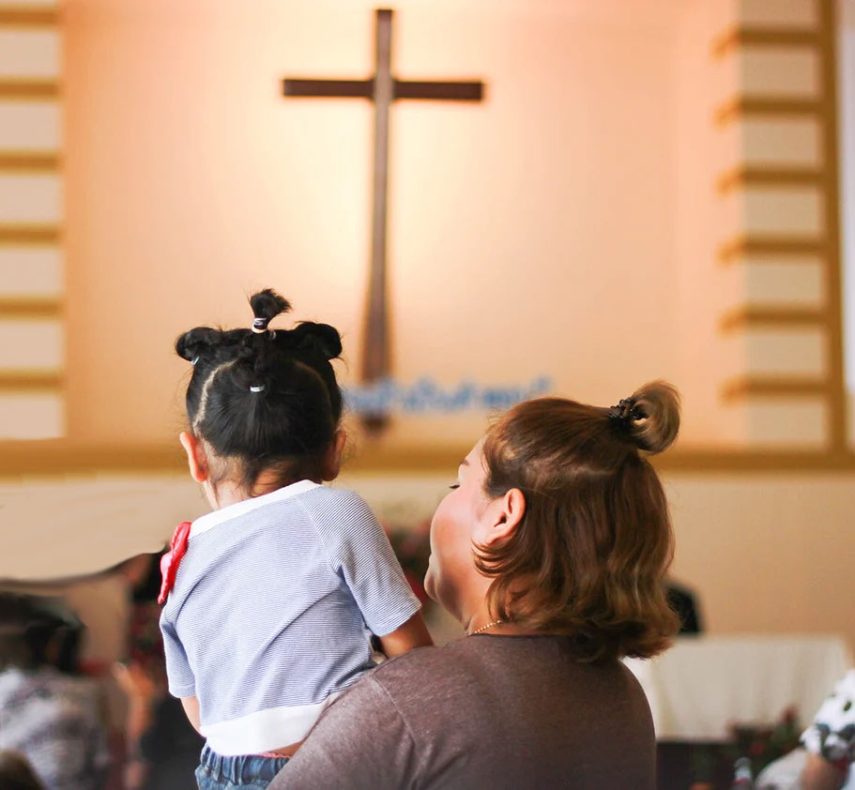
The Role Of The Church
For many, the church is a place of refuge, yet it is also where some of the most damaging, ‘well-meaning’ comments are made. One of the most effective shifts a church can make is to replace curiosity with psychological First Aid.
This starts with the establishment of ‘No-Question Zones’, where the focus is on stabilisation rather than investigation. Instead of inquiries into the details of a loss, lay leaders can be trained to offer a presence that requires no performance.
A simple, ‘I am so glad you’re here today; we have a quiet space ready if you need a break’, provides validation without demanding an emotional status report. Trauma-informed language is important here. While we often try to relate by saying, ‘I know exactly how you feel’, this can inadvertently erase the unique nature of the survivor’s specific loss. It is far more powerful to say, ‘I can’t imagine how this feels for you, but I am witnessing your pain and standing with you in the dark’.
Practical support is equally vital as the church can provide meals, help with families, and shift from a culture of ‘fixing’ to a culture of ‘bearing witness’, becoming a safe space where the broken-hearted can experience hope and rest through consistent, quiet support.
Sanctuary In The Classroom:
The Role Of The School
For a student returning to school after a violent loss, the ‘second battlefield’ is often constructed of loud bells, busy classes, and the pressure of academic deadlines.
We must remember that these children were once part of a whole family unit that has been fractured; therefore, the school must become the ‘social glue’ that helps to hold them together.
A child or teenager who has lost a relative to violence is not just ‘acting out’ or ‘falling behind’; they are surviving a nervous system collapse which they do not quite understand. Teachers must recognise that irritability, fighting or withdrawal, especially for very young children, is often a cry for safety and stability.
Schools have a unique opportunity to provide ‘Connection as Protection’ by prioritising relationships over rules. When a student is in a state of hyper-vigilance, their brain is focused on survival, not on academic learning. Therefore, the first step is ensuring that the student feels physically and emotionally safe.
Educators can proactively adjust deadlines or modify assignments. This reduces the cognitive load on a brain already exhausted by grief.
In a recent intervention in a children’s home where the main caregiver died suddenly, my team of counsellors used creative arts therapies such as art, play and role play as healthy coping mechanisms for these young children, to process complex emotions related to death.
Furthermore, the use of ‘Listen, Protect, Connect’ strategies allow teachers to support students without inadvertently re-traumatising them. This might include identifying ‘calm corners’ or sensory spaces where a student can go to regain their emotional balance if they are triggered during a lesson.
Just as in the church setting, the language used by staff is important. Avoiding ‘why’ questions and instead focusing on ‘what do you need right now?’ shifts the focus from the trauma itself to the student’s immediate well-being.
When a student is drowning in grief, they do not need a lecture on resilience; they need a lighthouse—a calm, consistent adult whose mere presence signals that the world is, for this moment, safe.
Let us normalise the discussion of mental health related to grief, especially during this month of Mental Health Awareness. By creating a culture where it is ‘okay to not be okay’, schools and churches can help to reduce the isolation that often follows a tragedy.
When we model calm and optimistic behaviour, we teach persons who are grieving that while the world may be unpredictable, there are spaces where there are safe connections and they will be okay. One sure step at a time! Take care.
By Dr Margaret Nakhid-Chatoor
Psychologist and educator
[email protected]
Credit – The Catholic News, (catholictt.org)
See the original article here.